

Flagship Initiative
The Bloodline.A rapid-response blood delivery network.
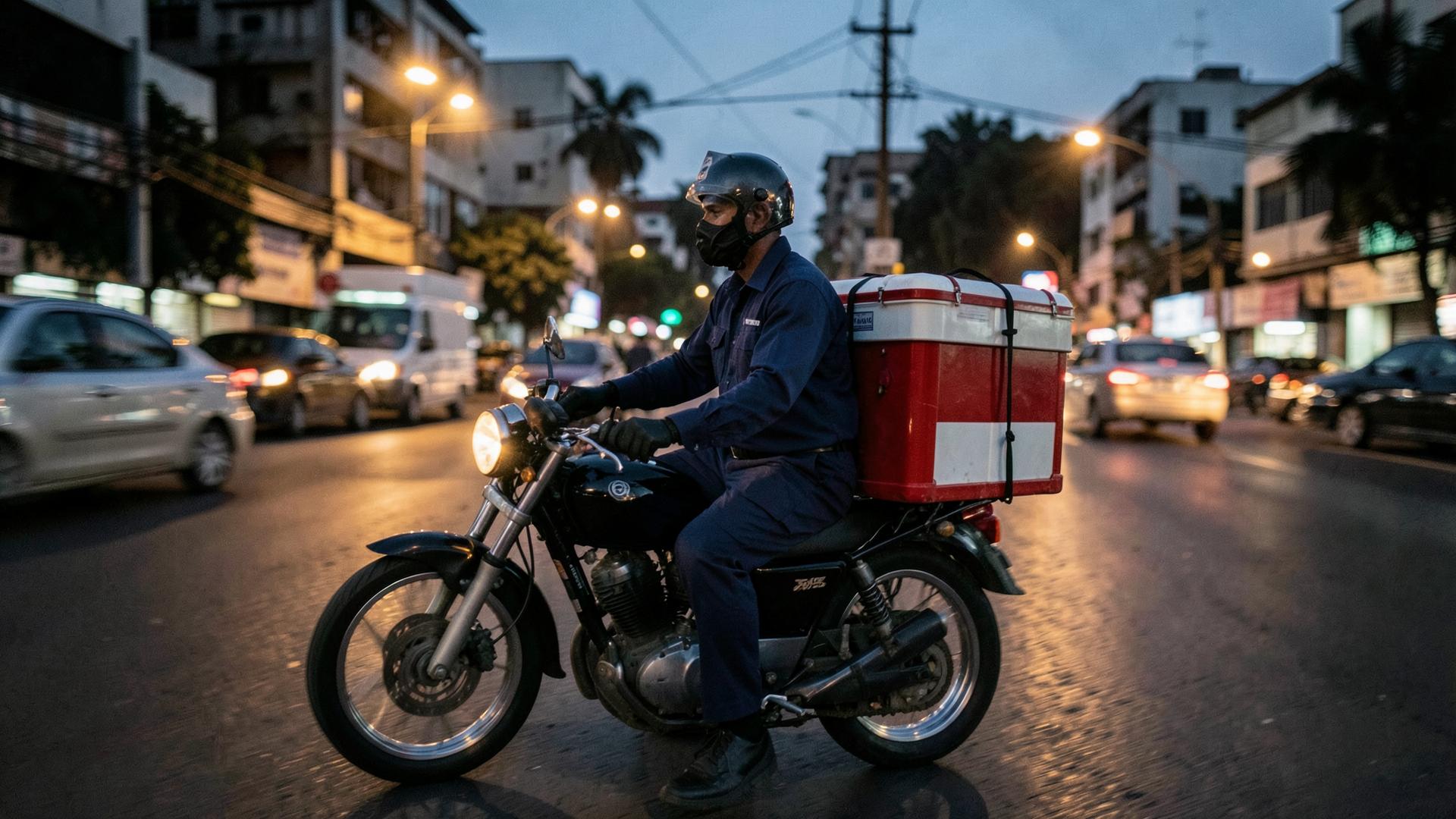
Blood that arrives too late is blood that arrives too late. The Bloodline connects blood banks, couriers, and facilities into one coordinated, temperature-controlled network — so a unit of blood moves like the emergency it is.
The Problem
When blood can't move, the system fails patients.
The challenge isn't a shortage of willing donors or capable clinicians. It's the last mile between a blood bank and a hospital ward — a stretch of road where fragmented systems and weak cold-chain practice turn hours into outcomes.
Delays in blood availability
When a patient needs blood, minutes matter. Today, facilities too often wait on phone calls, manual searches, and ad-hoc transport while a unit sits somewhere in the city.
Fragmented systems
Blood banks, hospitals, and couriers operate in silos. There is no shared view of where stock is, who can move it, or how fast it can arrive.
Breaks in the cold chain
Blood is a temperature-sensitive clinical product. Without validated packaging and monitored transport, quality is compromised between the bank and the bedside.
No accountability at handover
Paper trails and informal handoffs make it hard to confirm what was sent, in what condition, and when it arrived — undermining clinical confidence.
Our Solution
One integrated network of blood banks — with the couriers and the coordination layer to match.
The Bloodline links participating blood banks and health facilities through Trinova's dispatch and monitoring platform. Requests are matched to verified stock, packed into validated cold-chain containers, and moved by trained medical couriers — with every handover digitally confirmed.
- Facilities request through a single channel instead of calling around.
- Blood banks share live availability across the network.
- A dedicated courier fleet moves units on demand, not on schedule.
- Every delivery closes with a verified, time-stamped handover.
Key Features
Built for the three things blood transport can't compromise on.
Cold-chain integrity
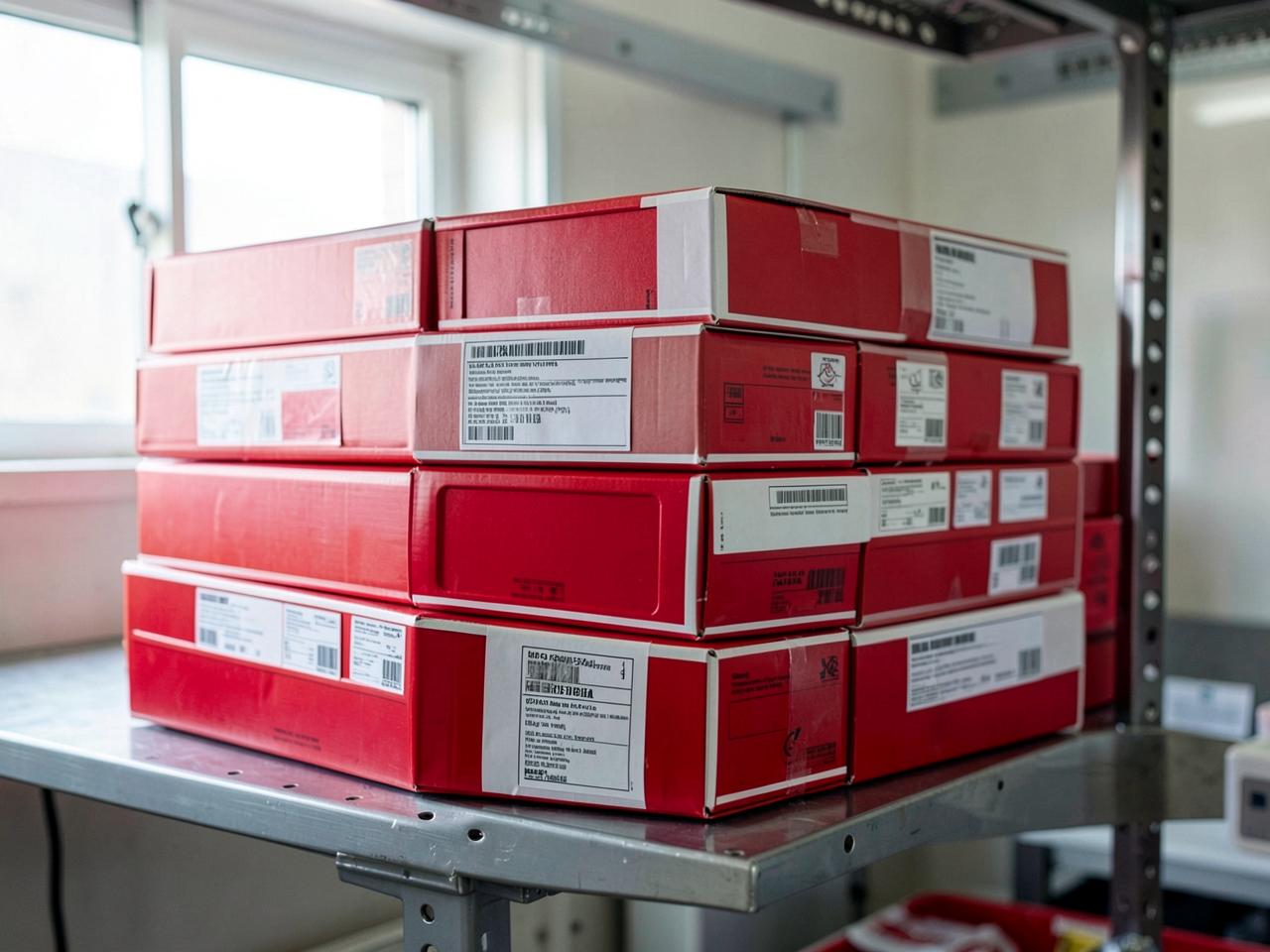
Validated, insulated transport packaging with temperature monitoring from dispatch to handover. Every unit travels inside a controlled, auditable environment.
Rapid response times
A dedicated fleet of trained medical couriers on standby, dispatched the moment a request is confirmed. Built for urgency, not scheduled routes.
Real-time coordination
Hospitals, blood banks, and dispatchers share one live view: requests, available stock, courier location, and confirmed handovers — end to end.
How a Unit Moves
Blood bank → dispatch → cold-chain courier → facility handover.
Four stages, one unbroken chain of custody. Each step is monitored, and the loop only closes when the receiving facility confirms the delivery.
- 01
Blood bank
A facility request is matched to verified stock at a networked blood bank, packed into a validated cold-chain container, and sealed.
- 02
Dispatch
The Trinova dispatch layer assigns the nearest available courier and notifies the requesting facility with a live status.
- 03
Cold-chain courier
A trained medical courier moves the sealed unit through the city under continuous temperature and location monitoring.
- 04
Facility handover
The unit is handed over against digital confirmation — seal intact, temperature in range, time recorded. The loop closes.
Pilot & Traction
Reporting begins with verified pilot dataEarly results, published when they're real.
This section will report on the Bloodline pilot: deliveries completed, response times, participating facilities, and network milestones. Figures will be added only once measured and verified — no projections presented as fact.
—
Deliveries completed
Pending verification
—
Median response time
Pending verification
—
Partner facilities
Pending verification
—
Network milestones
Pending verification
Pilot timeline
Phase 1 — Launch
Dates and details to be confirmed.
Phase 2 — Scale
Dates and details to be confirmed.
Phase 3 — Review
Dates and details to be confirmed.
Community Initiative
Trinova Giving Back
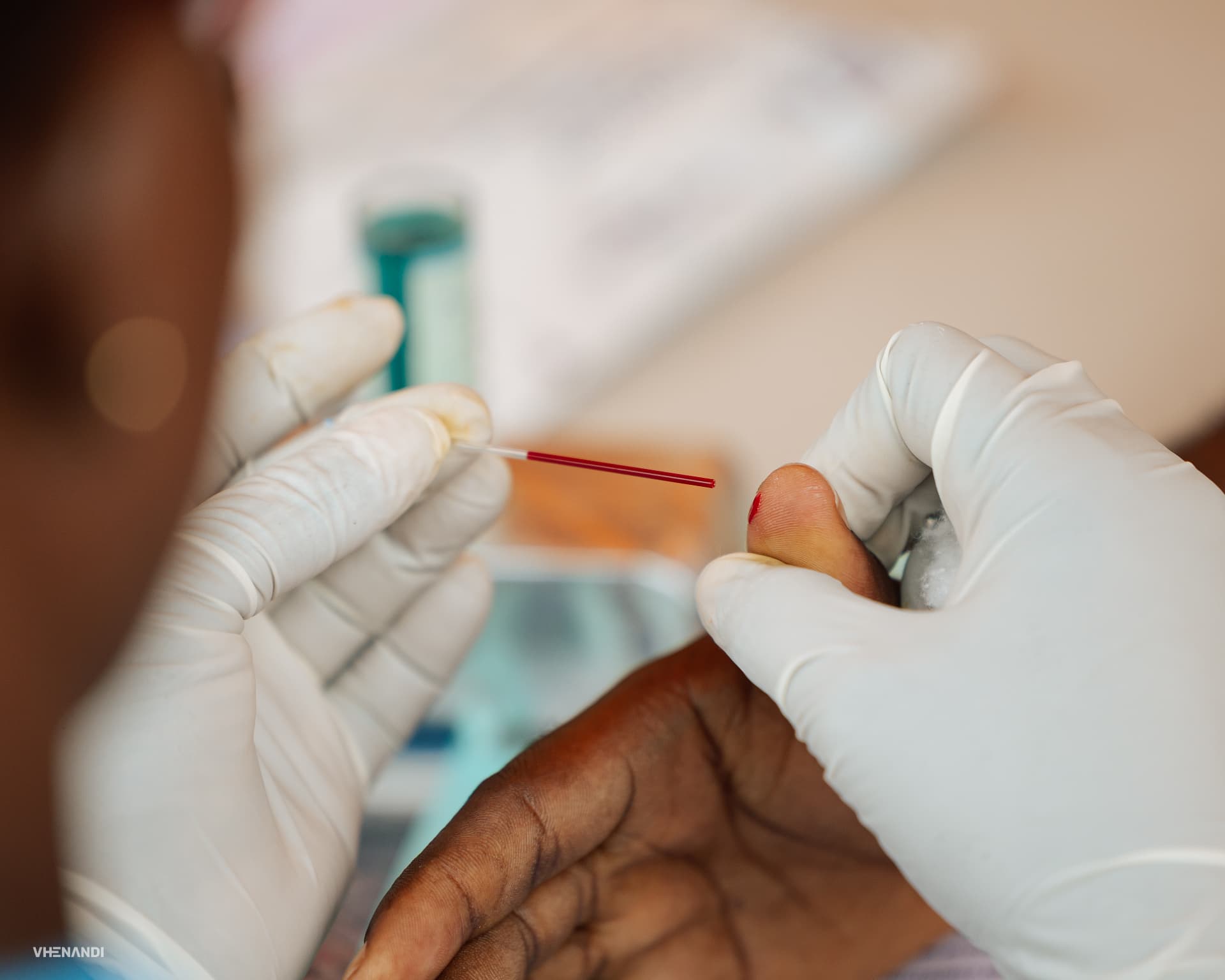
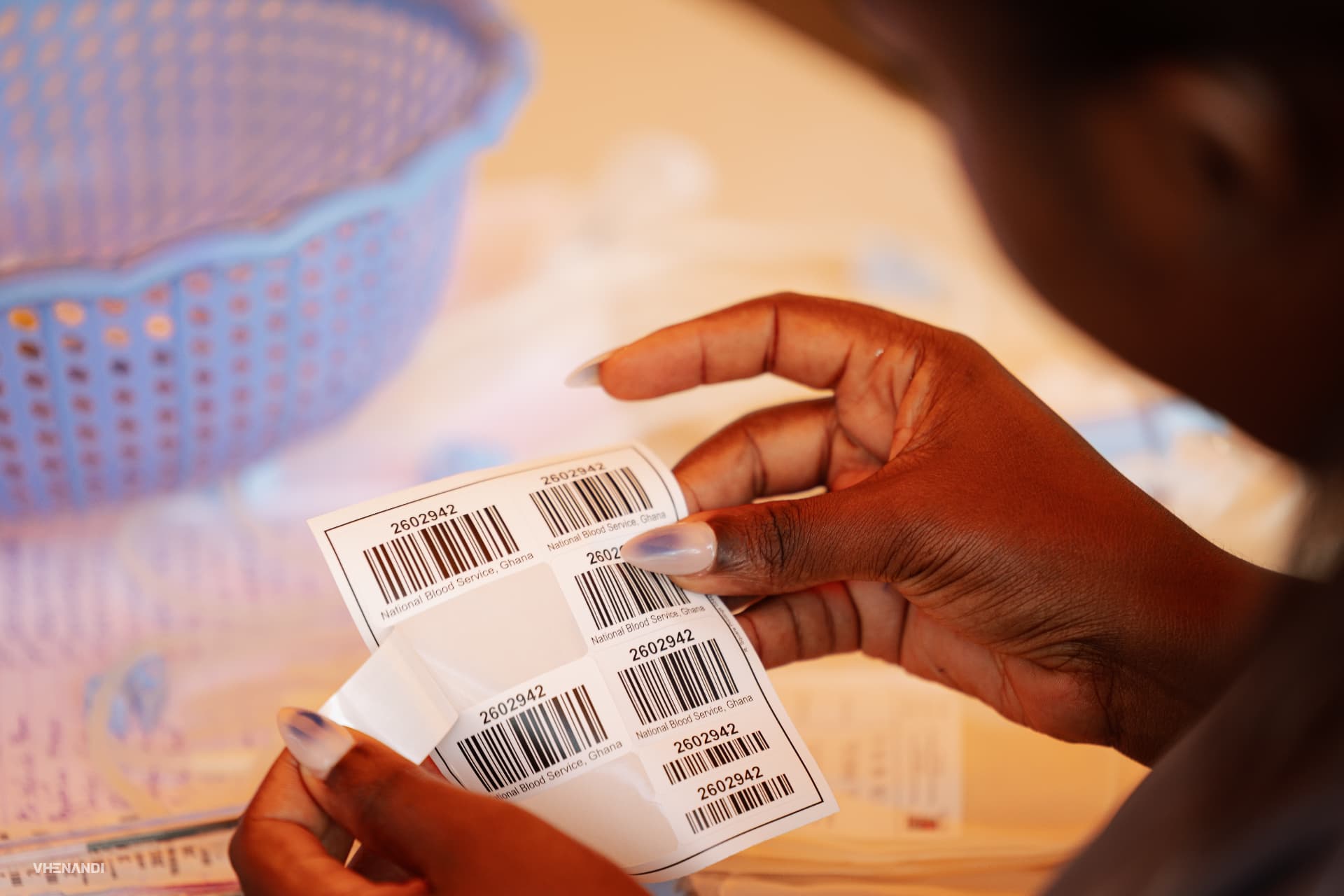
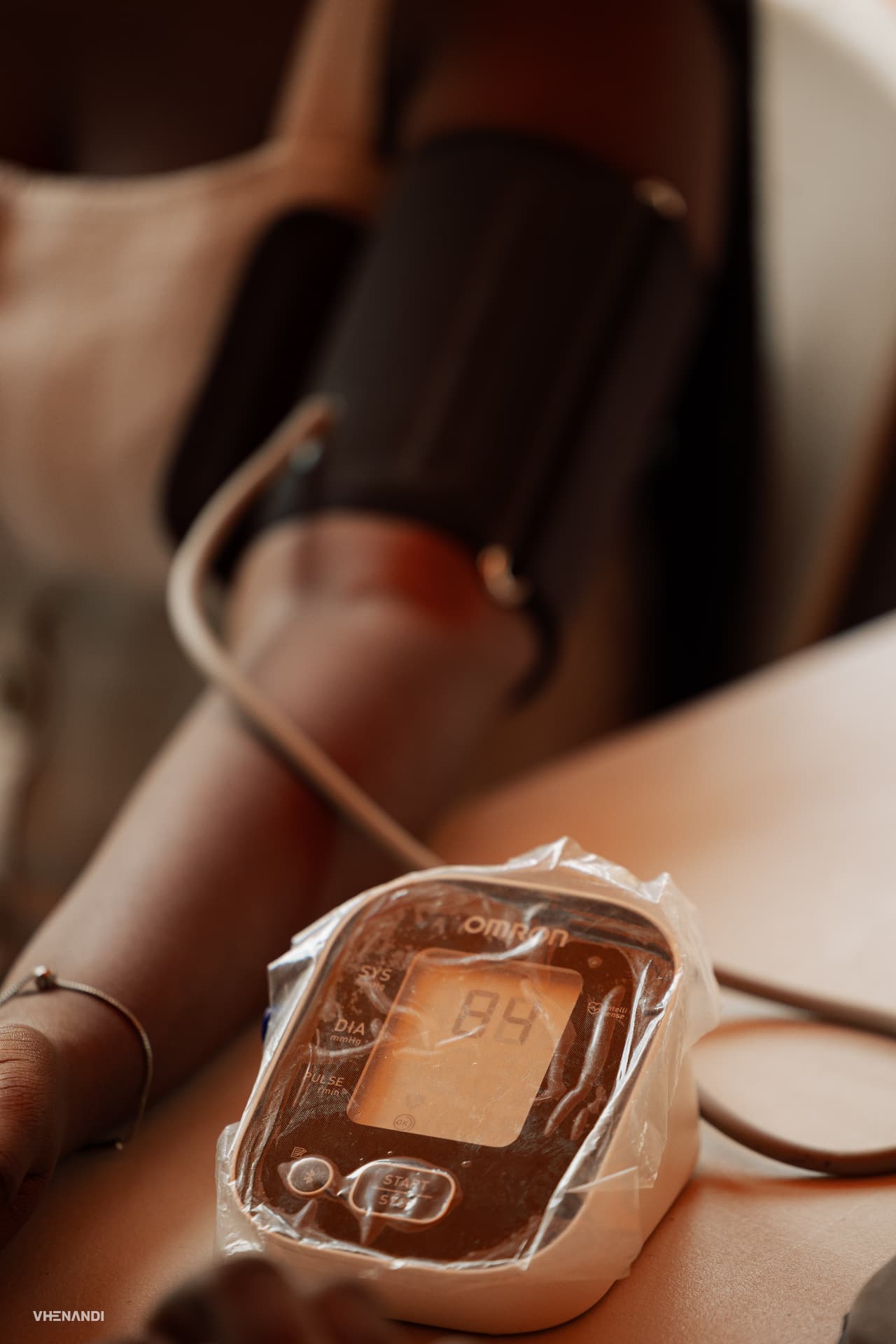
The Bloodline is not only a delivery network — it is a commitment to the communities we serve. Trinova organises blood donor drives that bring donors, volunteers, and healthcare workers together to help keep hospital blood banks stocked and patients cared for.
These drives are run in partnership with the National Blood Service and local health partners, with the same standards of safety, record-keeping, and respect for every donor that guide our logistics work.







Every minute the network saves is a minute a patient gets back.
Hospitals, blood banks, funders, and logistics partners: help us build the Bloodline into critical national infrastructure.