
Cold-Chain Logistics
Proven cold-chain discipline. Scaling now across Ghana.
Trinova operates cold-chain logistics today through The Bloodline — our live, rapid-response blood delivery network — and is building that foundation into large-scale capacity for temperature-sensitive cargo across the country.
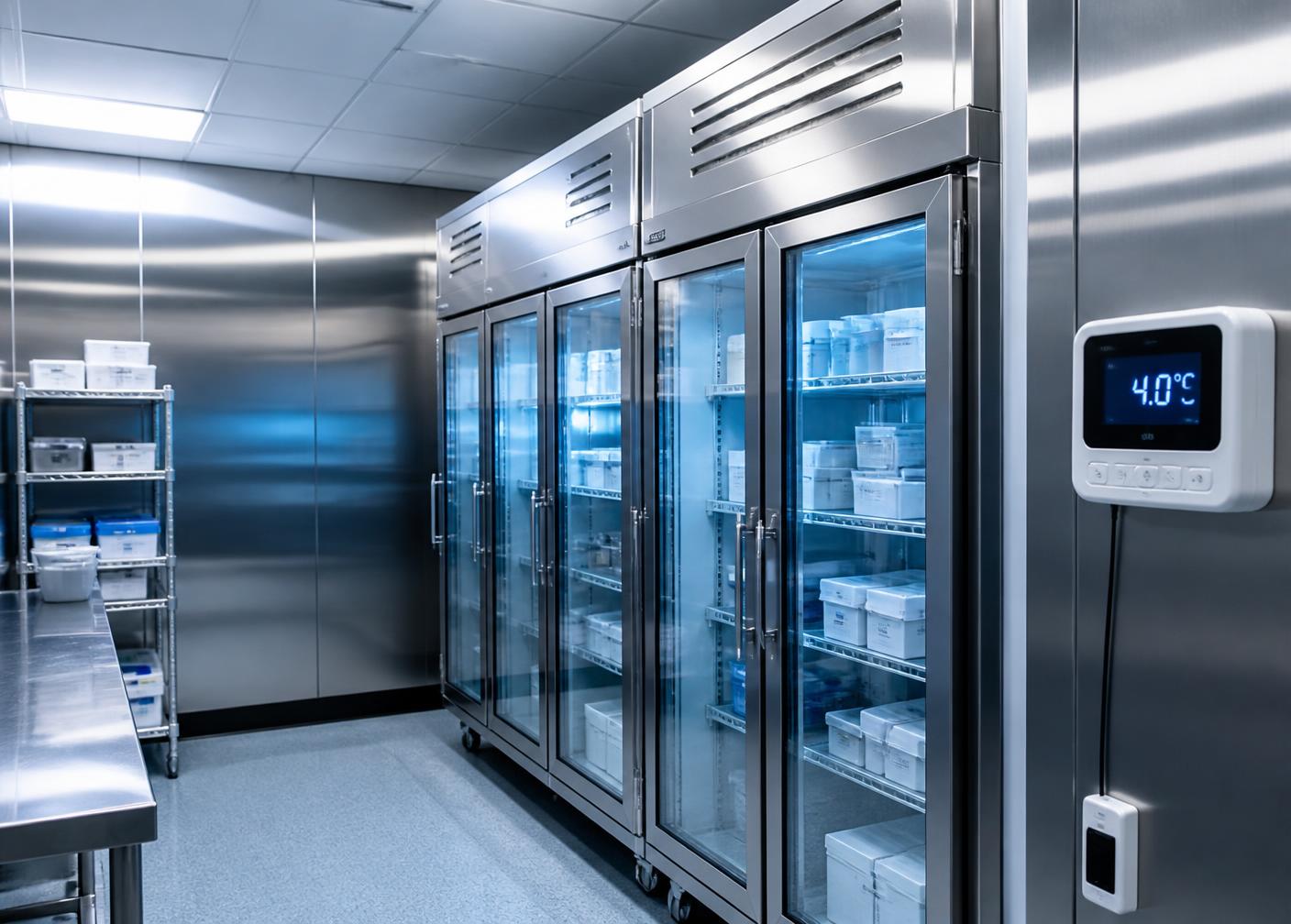
Live operation
Cold-chain running today via The Bloodline
Overview
Not a plan on paper — a working operation, growing deliberately.
Many cold-chain initiatives in the region exist only as proposals. Ours starts from an operating proof point: The Bloodline moves blood products under strict temperature control every day. That live operation is where our protocols, training, and monitoring systems are tested and refined.
This page describes the broader capability built on that foundation — and the active buildout expanding it to serve healthcare, agriculture, and other temperature-sensitive sectors, starting within Ghana.
See The Bloodline — our proof point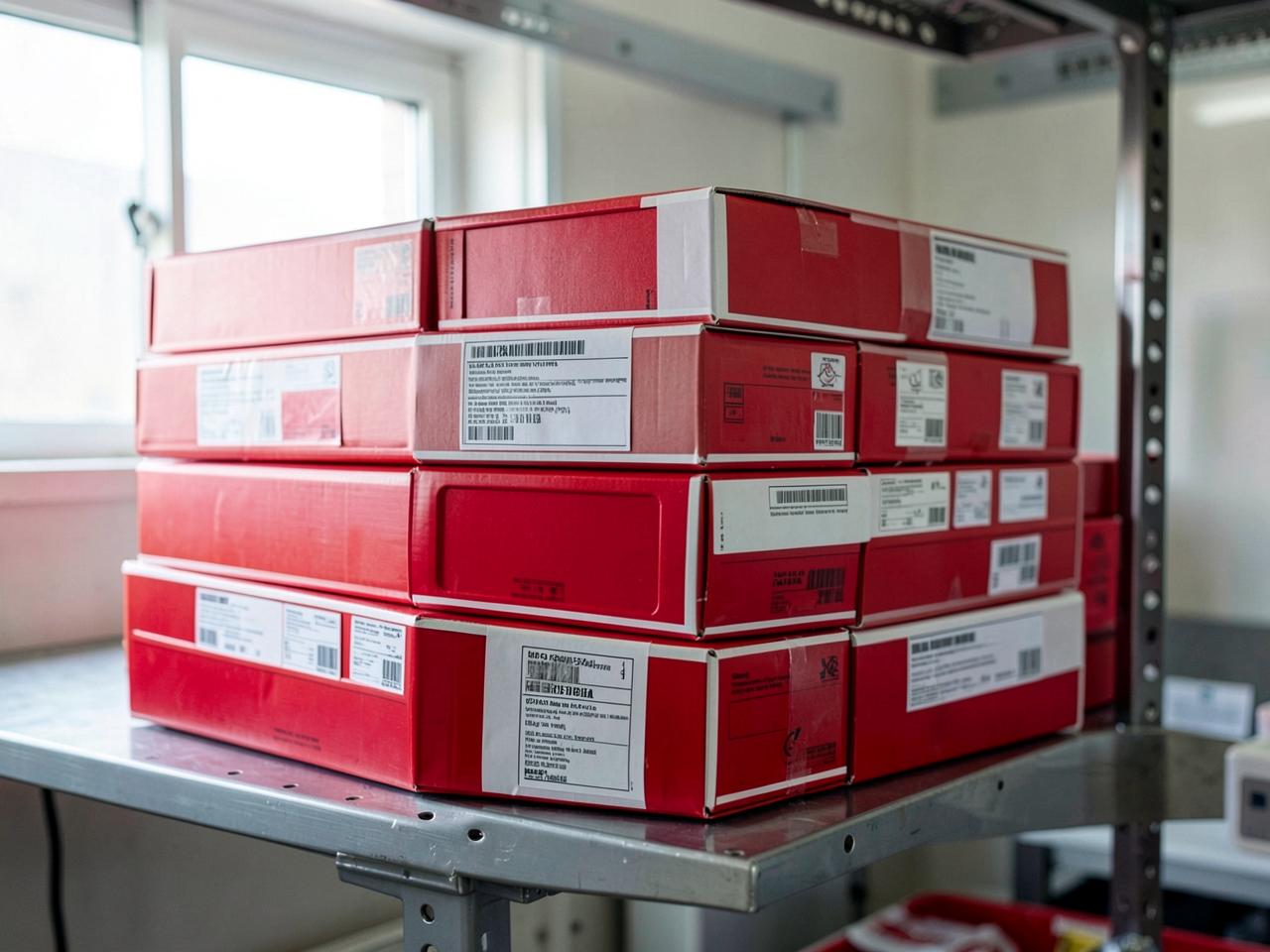
Cold-chain boxes staged for dispatch in The Bloodline's daily operation.
What we've proven
Discipline that already runs in the field.
These are not capabilities under development. They operate today inside The Bloodline, moving some of the most temperature-sensitive cargo in healthcare.
Temperature-controlled handling
Validated cold boxes, conditioned packaging, and documented temperature management from pickup to handover — operating today through The Bloodline.
Chain-of-custody tracking
Every consignment is logged at each transfer point. Custody is recorded, verifiable, and auditable end to end.
Monitored fleet operations
Courier movements are tracked in real time, with condition monitoring and escalation paths when anything drifts out of range.
Healthcare-grade discipline
Blood products are among the most demanding cold-chain cargo there is. The standards required to move them safely set the bar for everything else we carry.
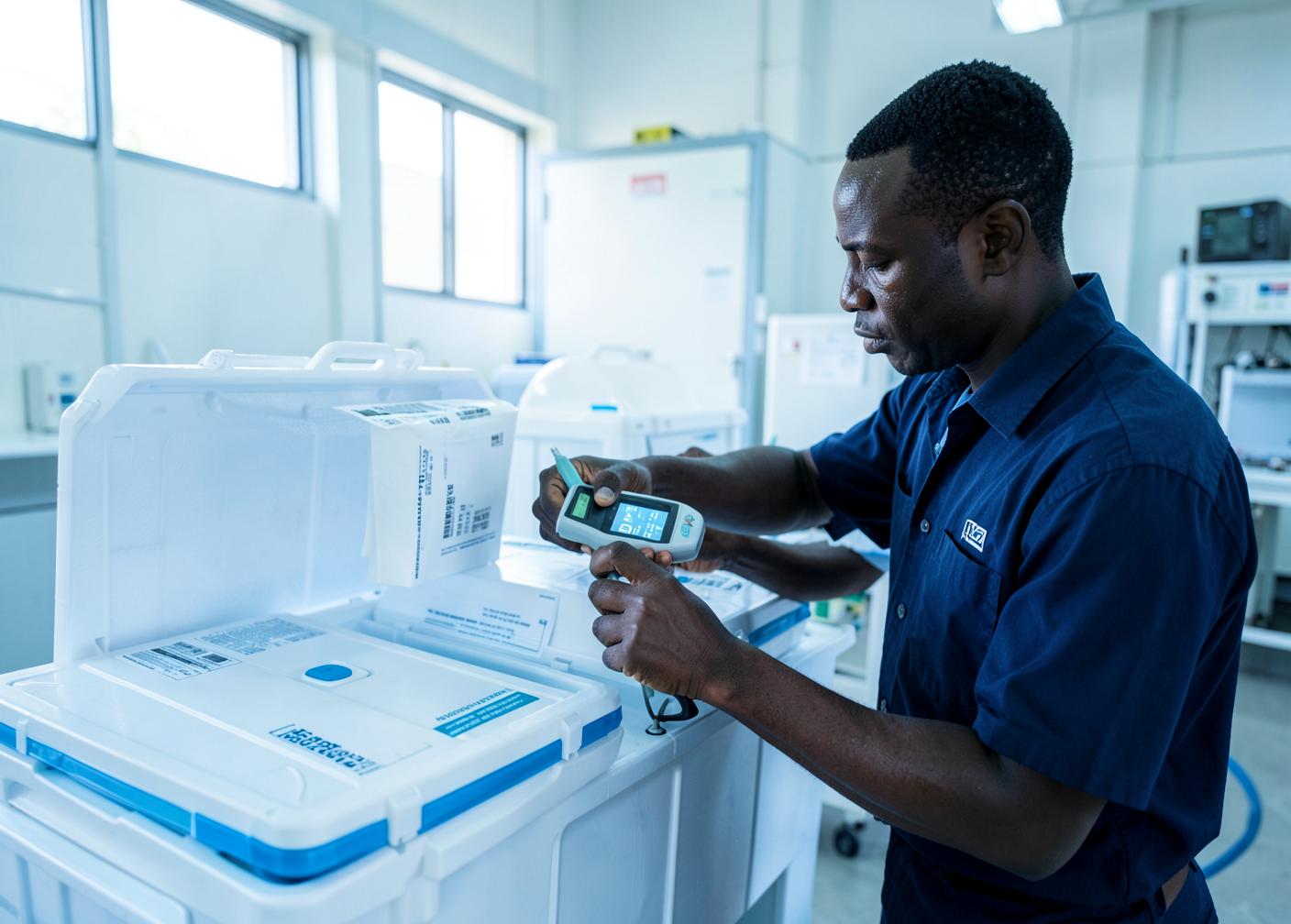
Equipment verification and monitoring — part of the infrastructure buildout.
What we're building
The scale-up is in progress.
Investment is going into the physical and digital infrastructure that turns a proven operation into national capacity.
Fleet expansion
Growing refrigerated and temperature-controlled vehicle capacity to extend coverage beyond current routes and handle higher volumes.
Facility and storage capacity
Building out cold storage and staging points across Ghana so temperature-sensitive goods can be held, consolidated, and distributed closer to demand.
Monitoring infrastructure
Strengthening sensor coverage, alerting, and data systems so every shipment — at any scale — is continuously visible.
Broader cargo range
Extending beyond blood products to vaccines, pharmaceuticals, laboratory samples, fresh produce, and other temperature-sensitive goods.
Capability roadmap
From operating foundation to regional backbone.
Growth happens in deliberate phases. Each stage builds on infrastructure and discipline proven in the one before it.
Operating foundation
- Live cold-chain operation through The Bloodline
- Validated packaging and handling protocols
- Real-time tracking and chain-of-custody records
Ghana-wide buildout
- Expanded fleet and route coverage across regions
- Cold storage and staging facilities in key hubs
- Broader temperature-sensitive cargo categories
Regional scale
- Cross-border cold-chain corridors in West Africa
- Institutional partnerships for healthcare and agriculture
- Data-driven network optimisation at scale
Why it matters
Cold-chain failure is expensive. Sometimes it is fatal.
When temperature control breaks, vaccines lose potency, blood becomes unusable, and harvests spoil before they reach a market. Across healthcare and agriculture, the cost of a broken cold chain is measured in lives and livelihoods. Trinova is building the logistics backbone to close that gap — starting close to home.
Healthcare
Vaccines, blood products, and medicines lose efficacy when the cold chain breaks. Reliable cold-chain logistics is a precondition for a functioning health system.
Agriculture
Post-harvest losses from poor cold handling cut farmer incomes and food supply. Cold-chain capacity connects Ghanaian produce to wider markets in good condition.
Regional trade
Temperature-sensitive trade across West Africa depends on logistics that can hold the cold chain across borders. That backbone is what we are building toward.
Built in Ghana, for Ghana first.
Our buildout concentrates on national coverage before regional expansion — facilities, fleet, and routes that serve institutions where they actually are.
Work with us
Have cold-chain needs? Talk to us now.
If you run a health facility, a pharmaceutical program, an agricultural operation, or any institution moving temperature-sensitive goods, our team can scope a solution around your requirements — grounded in an operation that runs today.